The Antiquarium: 66 metres, and the largest Renaissance hall north of the Alps
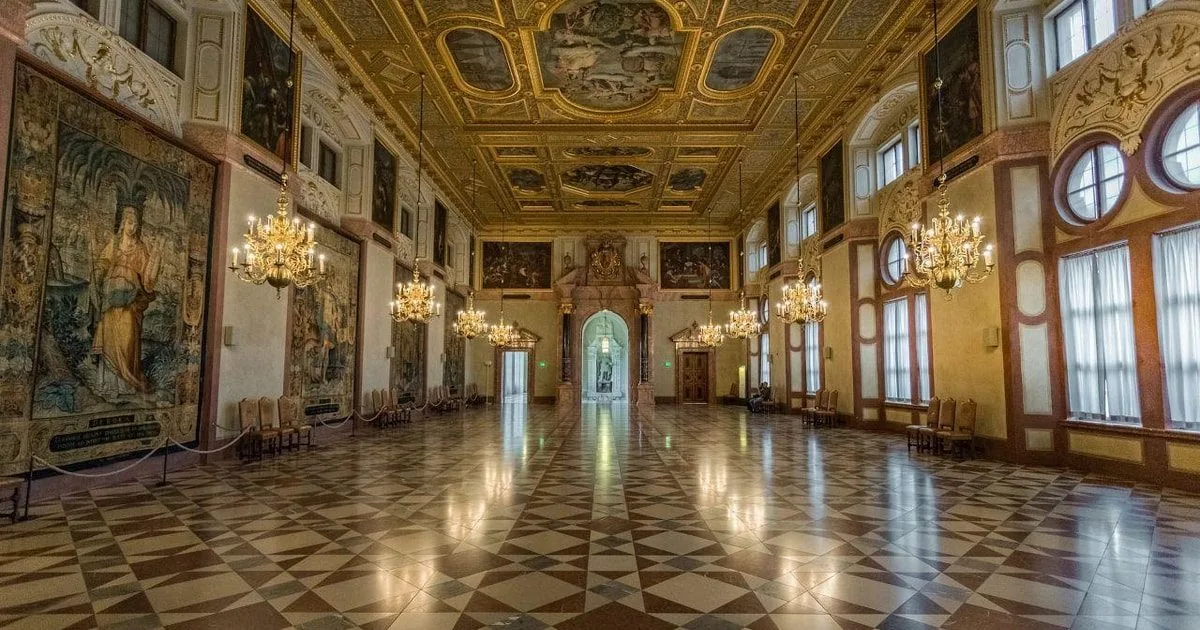
If one room in Munich is worth walking across the city for, this is it, and the claim is not mine. The Bavarian Palace Administration writes that with a length of 66 metres it is the largest and most lavish Renaissance hall north of the Alps.
A room built to hold a collection, then repurposed for parties
It began as storage of the most magnificent kind. Duke Albrecht V had it built between 1568 and 1571 for his collection of antique sculpture, which is why the shape is what it is: a long low vault with the sculpture ranged down both sides, rather than a state room with a collection moved into it afterwards. The room was fitted to the collection and not the other way round.
Then, between 1581 and 1600, Wilhelm V and Maximilian I turned it into a hall for festivities. That is the second life it is still living: the shape that made it a good sculpture gallery makes it a spectacular room to put a long table down, and the decoration that arrived with the change of use is most of what you look at now.
The same Albrecht V wrote the will of 1565 that set the dynastic jewels aside as an unsaleable treasure, which is the origin of the Schatzkammer at the other end of the same address (the Treasury). One duke, one decade, two of the three things at this address that people still queue for (the people behind the rooms).
The two things to look at, and neither is the busts
Look up. In the crown of the vault are 16 paintings from the workshop of Peter Candid, and the operator says what they show: allegories of fame and the virtues. Sixteen is a number worth having in your head before you go in, because the vault reads as continuous decoration from the floor and resolves into separate pictures only once you know to count them.
Look sideways, at the edges. The lunettes and the window reveals carry 102 views of towns, markets and palaces in what was then the Duchy of Bavaria. That is the strangest thing in the room and the one almost nobody notices: a hall built for antique sculpture, decorated round its edges with a hundred-odd portraits of Bavarian market towns. A sixteenth-century duke had his own territory painted into the frame of a room full of somebody else’s antiquity.
If you want to find your own village on the wall, that is a job for the room and a slow walk down one side of it.
The free audio guide covers this room along with the rest of the museum, in nine languages, and photography for personal use is permitted without flash and without a tripod — which in a vault this dim is worth knowing before you pack. The handset, the cameras and the bag rule.
Where it sits, and what it costs
The Antiquarium is on the Residence Museum route, so it is covered by the museum ticket at about ten euros and by both of the combined tickets. There is no separate admission for it and no way to see only this room. Enter on the Residenzstraße and Max-Joseph-Platz side like everybody else (which door). It is the room most visits peak at(the rest of the route).
Every guided listing that goes inside this building goes through this hall, and reviewers tend to describe the guide rather than the room, which is its own kind of compliment to the guides. If you would rather be told about the 102 views than find them yourself, that is what those listings are for.
 The guided one
Munich: Residenz Palace and Hofgarten Skip-the-Line Tour
 Historian-led
Private Historian-Led Munich Residenz & Treasury Tour
 Private, all three parts
Munich: Residenz Palace, Museum and Treasury Private Tour
Around it: the rooms on either side of it, the Schatzkammer, founded by the same duke, when the museum is open, and how much of a day the route takes.
Frequently asked questions
How long is the Antiquarium in the Munich Residenz?
66 metres. The Bavarian Palace Administration’s own wording is that with a length of 66 metres it is the largest and most lavish Renaissance hall north of the Alps. It was built for Duke Albrecht V between 1568 and 1571 to hold his collection of antique sculpture.
What is the largest Renaissance hall north of the Alps?
The Antiquarium in the Munich Residenz, by the palace administration’s own description — 66 metres long, and the largest and most lavish of its kind north of the Alps.It is on the Residence Museum route and needs no extra ticket.
What is painted on the Antiquarium ceiling?
In the crown of the vault there are 16 paintings from the workshop of Peter Candid, which the operator describes as allegories of fame and the virtues. Separately, the lunettes and the window reveals carry 102 views of towns, markets and palaces in what was then the Duchy of Bavaria.
Do you need a separate ticket for the Antiquarium?
No. It sits on the Residence Museum route, so the museum ticket covers it, as do the museum-and-Treasury pair ticket and the ticket for all three parts. There is no way to visit this hall on its own. The full tariff.
Who built the Antiquarium and why?
Duke Albrecht V, between 1568 and 1571, to hold his collection of antique sculpture — the room was fitted to the collection rather than the other way round. Wilhelm V and Maximilian I then turned it into a hall for festivities between 1581 and 1600, which is the use most of its decoration belongs to. The people behind the rooms.