The short version
- Three tickets, and you pick at the desk. The museum is about ten euros, the treasury about ten, the theatre about five, and one ticket to all three is about twenty — five euros less than buying the three singly. Nobody under 18 pays, and neither do students over 18 holding a valid card from a general or vocational school. The tariff, and both savings, with the sums.
- The audio guide is included, in nine languages. German, English, French, Italian, Spanish, Russian, Chinese, Japanese and Arabic, counted off the operator’s own list. It runs for the Residenzmuseum and the Schatzkammer; the Cuvilliés-Theater has no commentary, which is the room a live guide brings to life. What you get at the door, and what you leave there.
- The theatre keeps a clock of its own, and that is the trap. From Monday to Saturday the Cuvilliés-Theater opens at 2 pm from 28 March to 31 July, from 15 September to 19 October, and from 20 October to 27 March. It opens in the morning only on Sundays, on public holidays, and daily between 1 August and 14 September. The museum and the treasury open at 9 am or 10 am depending on the season. The two timetables, side by side.
- What you book ahead is the guide, or the seat. Admission is sold at the palace’s own desk on the day, no reservation needed. What needs planning is the rest: the guided visit that covers all three parts, a private guide, or an evening seat — 658 of the 908 reviews on the eleven Residenz listings sit on the five concerts, nearly three quarters. All sixteen, compared.
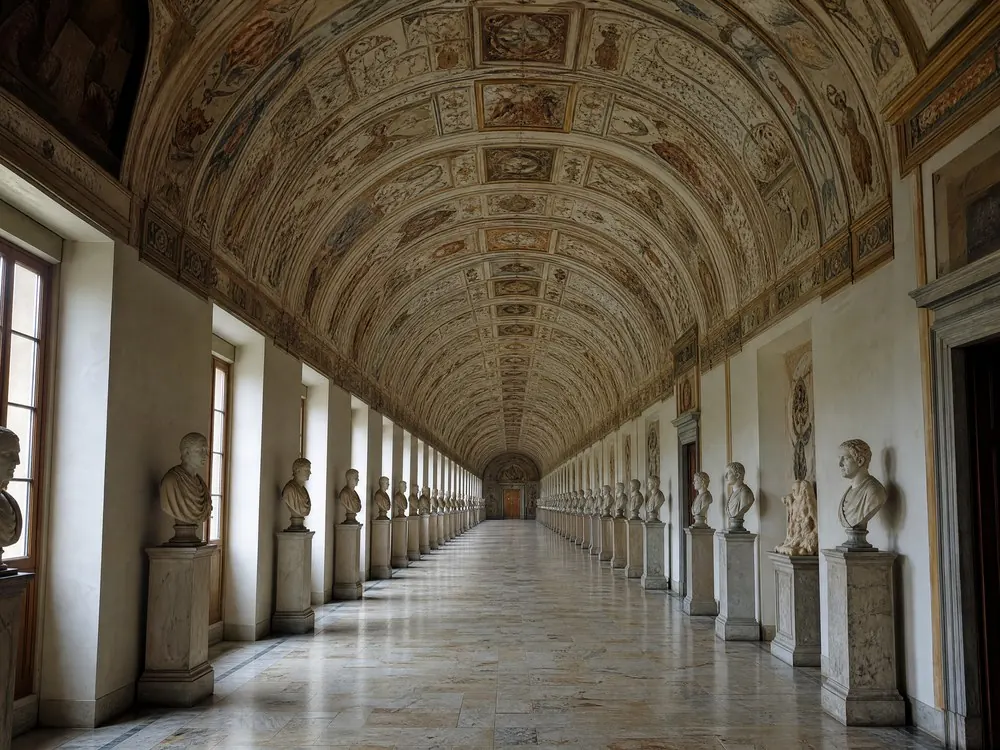
- The one room people come back for is 66 metres long. The Antiquarium was built for Duke Albrecht V between 1568 and 1571 to hold his antique sculpture, and the operator calls it the largest and most lavish Renaissance hall north of the Alps; its lunettes and window reveals carry 102 views of towns, markets and palaces in what was then the Duchy of Bavaria. The Antiquarium.
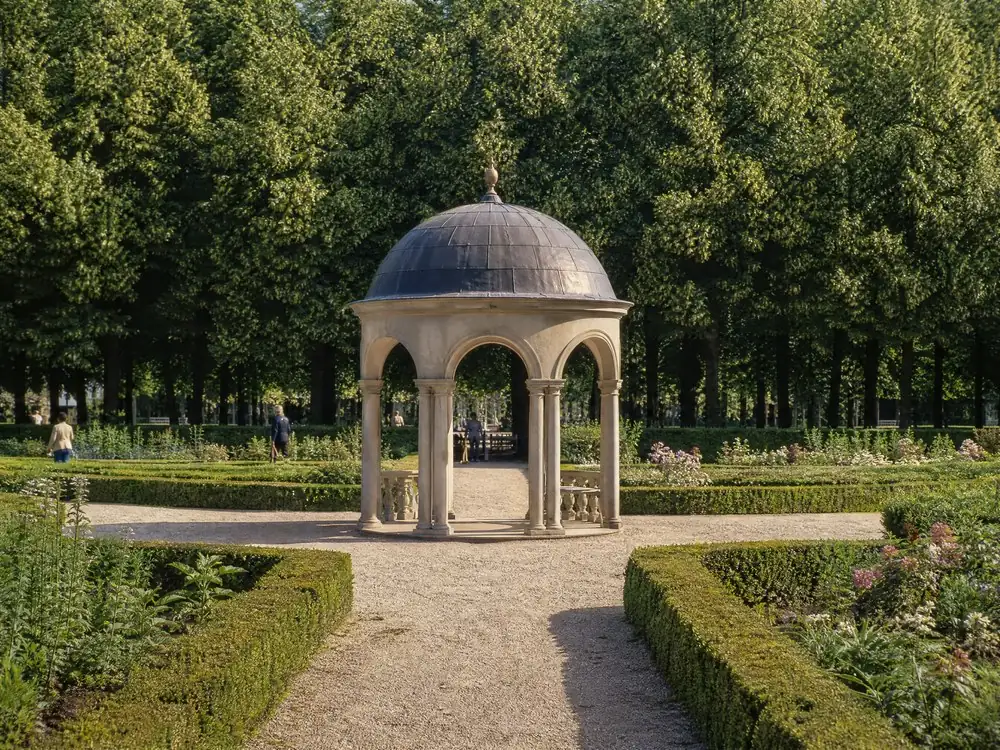
- The Hofgarten is the free finish to the day. The court garden behind the palace is open to everyone, on no ticket, with its fountain machinery running from April to October, daily between 10 am and 2 pm. The garden, free to walk.
What the all-three ticket covers, and what a booking adds
Two columns: what the desk sells, and what the listings on this page add to it.
Inside the ticket for all three
- The Residenzmuseum, open to the public since 1920 and, in the operator’s words, one of the most important palace museums in Europe
- Interiors made between the 16th and the 19th century in Renaissance, Baroque, Rococo, Neoclassicist and Historicist styles, the Antiquarium and the Ancestral Gallery among them
- The Schatzkammer, ten rooms on the ground floor of the King’s Building, set aside as an unsaleable treasure by Albrecht V’s will of 1565
- The Cuvilliés-Theater — during the hours it keeps, which are not the museum’s
- The audio guide, free, in nine languages, for the museum and the treasury
- Free admission below 18, and above it for students carrying a valid card from a general or vocational school
Added by a booking, or free outside the ticket
- The Hofgarten, free to walk, on no ticket, and the natural end of the visit
- The free supervised cloakroom, which is where anything from 35 x 30 x 12 cm upwards, and every rucksack, has to be left
- Photography and video for personal use, permitted throughout, without flash and without a tripod
- A live guide: the guided visit on this page walks all three parts with a licensed Munich guide, tickets included
- Commentary inside the theatre — the handset stops at the museum and the treasury, so the theatre is the room where a guide changes the visit most
- An evening in the Cuvilliés Theatre or the court chapel — sold separately, as a concert seat
Which door, which ticket, and what you walk through after that
The order a visit actually happens in, and where each decision gets made.
Residenzstraße 1 is a block, not a doorway. The museum and the treasury share an entrance on the Residenzstraße and Max-Joseph-Platz side; the Cuvilliés-Theater has its own, and so does the Court Church of All Saints. One reviewer of the choice-of-palace tour wrote that the street number alone is not enough for a building this size, and he is right.
- Arriving at the block — U-Bahn or S-Bahn to Marienplatz or Odeonsplatz, the bus at Odeonsplatz, the tram at Nationaltheater. From Marienplatz it is a short walk north through the old town. Getting there, and where to come out.
- The entrance for the museum and the treasury — On the Residenzstraße and Max-Joseph-Platz side, which is the one to aim for if you are here in daylight to look at rooms. Which door, and what happens at it.
- The ticket desk, and the choice to make — Museum, treasury, theatre; or museum and treasury together; or all three. The singles add up to more than the combined ticket, by five euros, and museum plus treasury bought singly costs five euros more than the pair ticket. Every tariff, with the arithmetic beside it.
- The audio handset — Included, and worth asking for before you walk off: German, English, French, Italian, Spanish, Russian, Chinese, Japanese and Arabic. It narrates the rooms; what the guided listings add is a person who plans the sequence, answers questions, and takes you into the theatre with the story intact.
- The cloakroom, before anything else — Nothing from 35 x 30 x 12 cm upwards goes in, and neither does a rucksack or anything bulky. The cloakroom is free and supervised, so this is a two-minute problem if you deal with it at the start and a walk back if you do not.
- The Antiquarium — Sixty-six metres of barrel vault built for Albrecht V from 1568 to 1571 for his antique sculpture, turned into a hall for festivities by Wilhelm V and Maximilian I between 1581 and 1600. Peter Candid’s workshop supplied the 16 paintings in the crown of the vault. The hall, and what is painted on it.
- The Ancestral Gallery and the rooms off it — Then the Ornate Rooms, the Nibelungen Halls, the Electoral Apartments, the Papal Rooms, the Stone Rooms and the Treves Rooms. The city portal adds the bronze halls, the Hercules Hall and Ludwig I’s royal apartment. What you actually walk through.
- The Schatzkammer, ten rooms on the ground floor — A separate ticket and, in practice, a separate visit: the crowns of the Kings and Queens of Bavaria, a statuette of St George, an altar ciborium. It reopened on 21 June 1958, the first part of the museum restored after the war. The treasury, room by room.
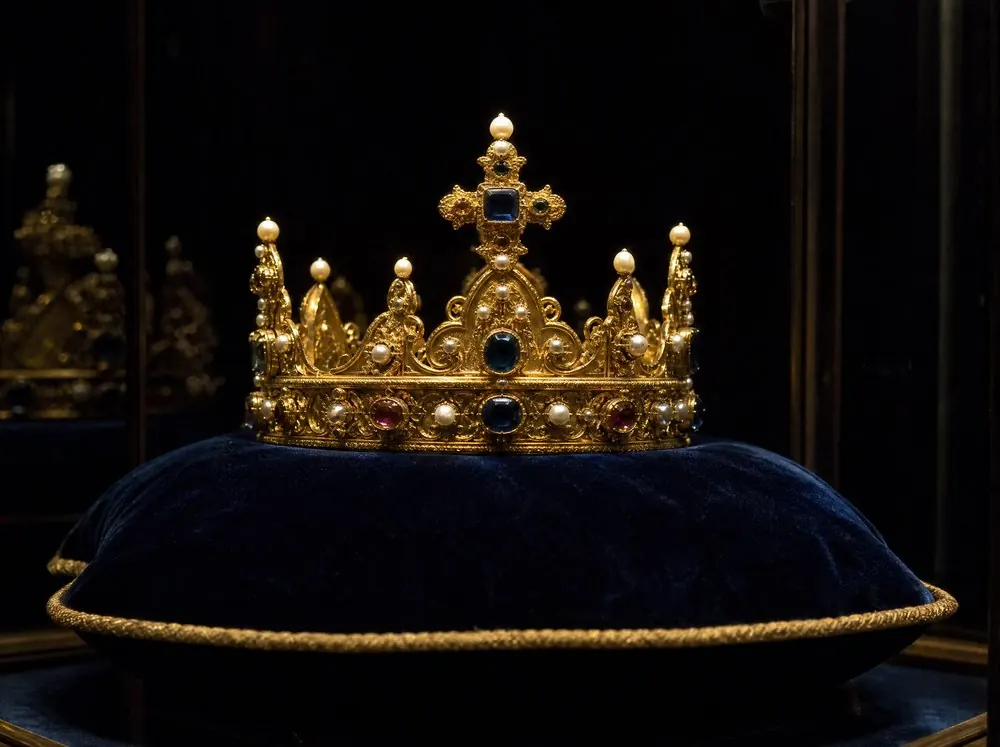
- The Crown of Princess Blanche, in among them — Gold, 18 cm high and 18 cm across, dating probably to 1370–80 and restored in 1402 for a wedding; it came to the Wittelsbachs that year as the dowry of Blanche of England, daughter of Henry IV, and it is described as the oldest surviving royal crown known to have been in England. Where it sits, and what it is not.
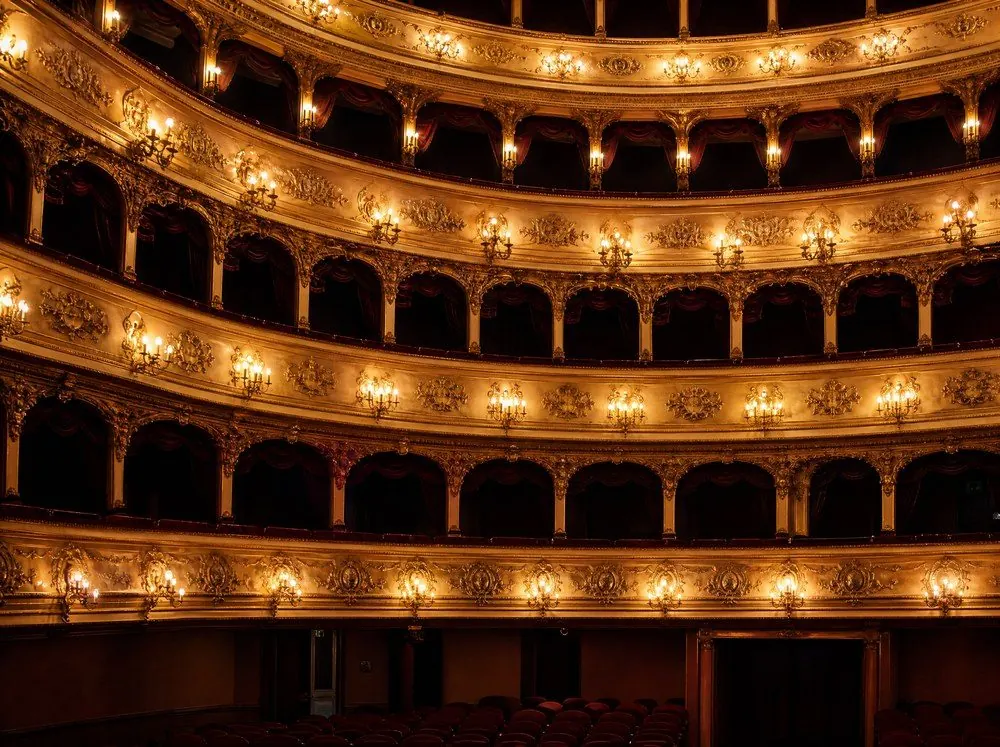
- The Cuvilliés-Theater, if the clock allows it — Its own entrance, its own ticket, and no audio guide. Built by François Cuvilliés the Elder in 1751–55 for Elector Maximilian Joseph III, it gave the first performances of Mozart’s Idomeneo in 1781. The theatre, and what survived.
- Out into the Hofgarten — Through to the court garden, which has no ticket and no gate charge, and where the fountain machinery runs from April to October between 10 am and 2 pm. The garden, free to walk.
Every stop on that route is on the palace’s own ticket, bought at the Residenzstraße counter on the day. What a booking through this page adds is the layer the desk cannot sell: a licensed guide walking the route with you and covering all three parts in one sequence, skip-the-line tickets folded in, or an evening in one of these rooms with an ensemble playing in it. All sixteen listings, and what each one says about itself.
How booking anything at this address works
Decide how you want the three parts joined up
Admission is a desk transaction on the day. The decision is how you want the three parts joined up: the handset and your own timing, or a licensed guide who walks the museum, the treasury and the theatre in one two-and-a-half-hour sequence with the tickets in the price — the version the reviews here praise by name.
Read what each listing includes
Every card here repeats the words the listing uses about itself. One guided visit names the museum, the treasury and the theatre in its inclusions; one private tour covers the museum and the treasury, with the theatre on its longer options; each concert is an evening seat in a named hall, to pair with a daytime ticket for the rooms.
If it is a concert, check the hall and the date, not the rivalry
Two listings play the same room, the baroque Hofkapelle, with an ensemble billed the same way. They are not competitors: one runs on Saturday evenings through the year, the other is the special-date programme for Advent, Christmas, New Year’s Eve and Good Friday. The gala is in the Cuvilliés-Theater and the recital is in the Max-Joseph-Saal. Which hall, which calendar.
Pick a date, then find out what has to be collected
Dates and prices are quoted live by the GetYourGuide widget, and most listings cancel free. Some concert tickets carry seat numbers that are handed over at the box office rather than printed on the voucher; one reviewer of the Max-Joseph recital says his voucher never mentioned it, and the chapel programme asks you to collect half an hour beforehand.
The one guided visit that reaches all three parts
Its own inclusions name a guided tour of the Residenzmuseum, a licensed official Munich guide, skip-the-line tickets, and tickets to the Treasury and the Cuvilliés-Theater — so it is the single listing here that covers the whole address rather than one third of it. Two and a half hours, in English, meeting right of the Spatenhaus at the opera entrance, Residenzstraße 12. Live dates below.
An hour of music, a guided visit, or your own guide?
The most-reviewed thing sold at this palace is the Saturday concert in the court chapel — 389 reviews against the guided visit’s 190 — and the two are different evenings and afternoons rather than rivals. Here the three sit side by side with what each one reaches.
| Munich: Classical Concert at the Residenz Palace | Reaches all threeMunich: Residenz Palace and Hofgarten Skip-the-Line Tour | Munich: Residenz Palace, Museum and Treasury Private Tour | |
|---|---|---|---|
| Price | €39 per person | €65 per person | €225 per person |
| Rating | 4.6 from 389 reviews | 4.8 from 190 reviews | 4.9 from 16 reviews |
| How long | 1 hour | 2.5 hours | 2–3 hours |
| What it is | A concert in the Hofkapelle, the old court chapel, by an ensemble billed as the Residenz Soloists | A licensed official Munich guide through the palace, in English | The same, for your party alone |
| What it reaches | The court chapel in the evening; the rooms are a separate daytime ticket | Yes — museum, Treasury and Cuvilliés-Theater tickets are all named in its inclusions | Yes — museum and Treasury, with the theatre on the longer options |
| When it runs | Saturdays at 6:30 pm through the year | Daytime, year-round | Daytime, year-round |
| Where it starts | The Löweneingang, the lion gate to the Brunnenhof | Right of the Spatenhaus at the opera entrance, Residenzstraße 12 | Maximilianstraße |
| Languages | Not a language question | English | Spanish, English, French, German, Italian and Polish |
| Best for | An evening in the building without a museum day attached | A first visit that wants all three parts explained | A small party that would rather not share a guide |
| View → | Book this → | View → |
Gallery
Courtyards, vaults and gilded halls
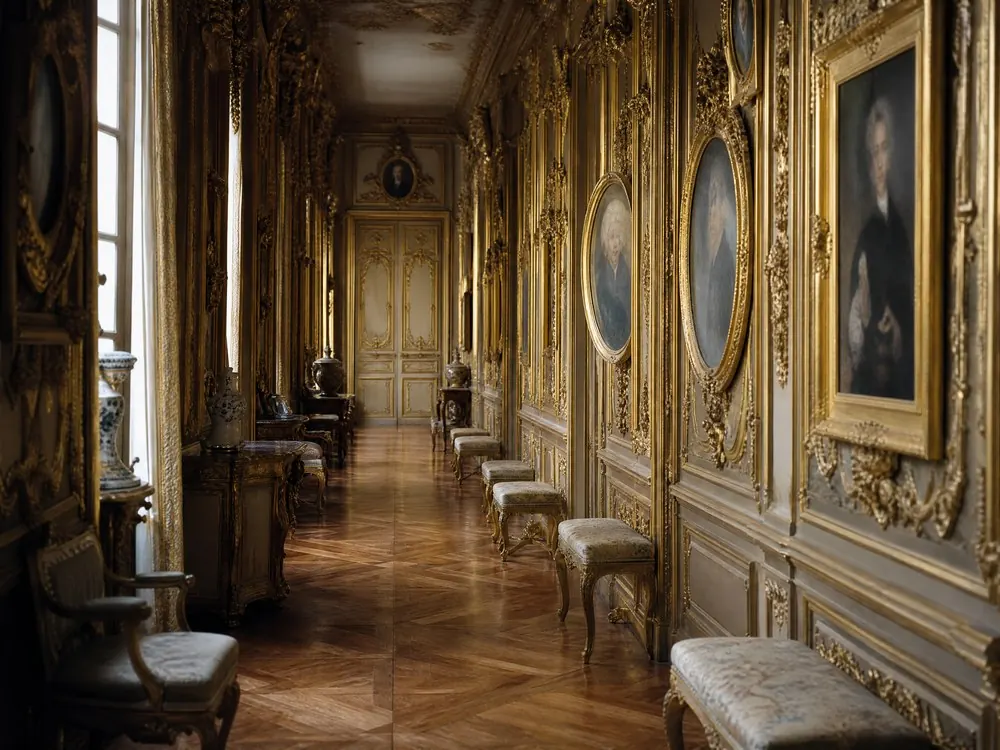
A fountain courtyard, a barrel-vaulted hall of antiquities, the Treasury, a rococo theatre, the Court Garden and a gallery of ancestors — the Residenz visit, room by room.
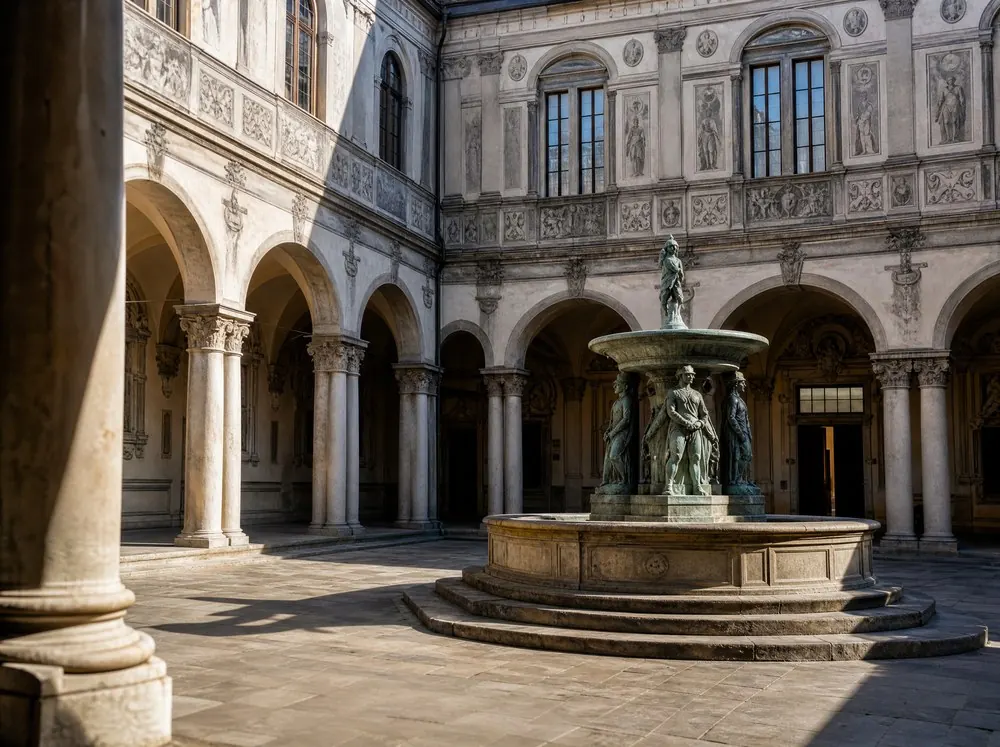
Six of the sixteen, and what each one is really selling
The guided visit whose inclusions reach all three parts of the building. The Saturday concert in the court chapel, the most-reviewed thing sold at this palace. The gala in the Cuvilliés-Theater, the only way to sit in that room in the evening. The private tour of the museum and the treasury. The listing that lets you swap this palace for Nymphenburg on the day. And, last, the Neuschwanstein day trip — the classic Alpine castles day out of Munich, with eighteen times the written reviews of every Residenz listing here put together: do the palace one afternoon and the castles another day. All sixteen, compared.
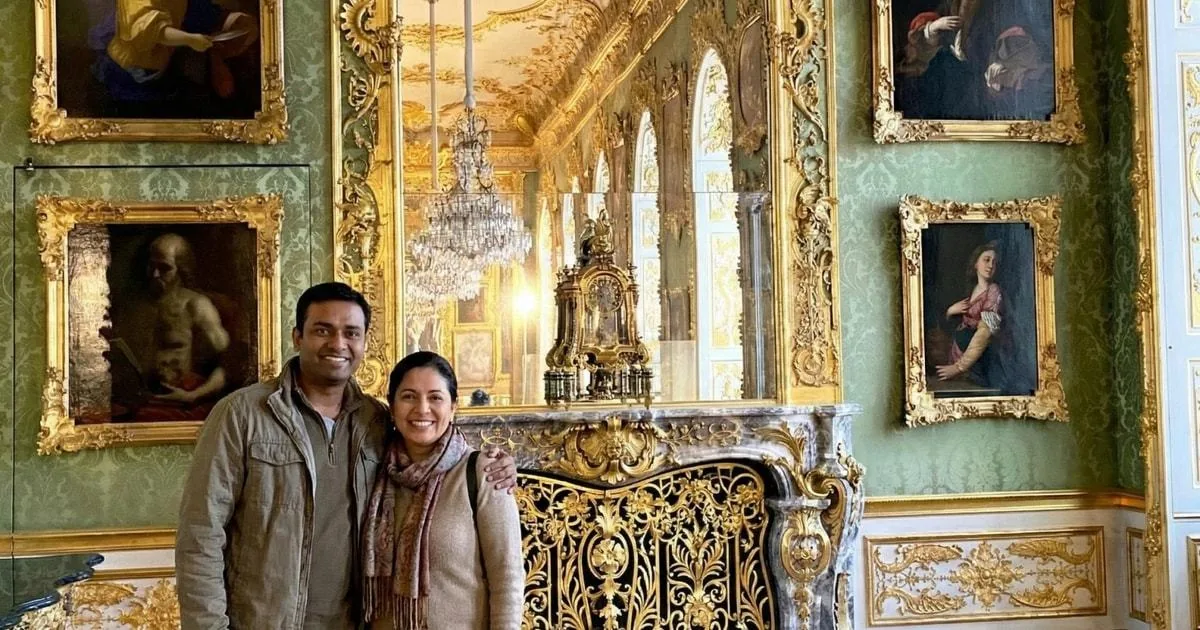 The guided one
Munich: Residenz Palace and Hofgarten Skip-the-Line Tour
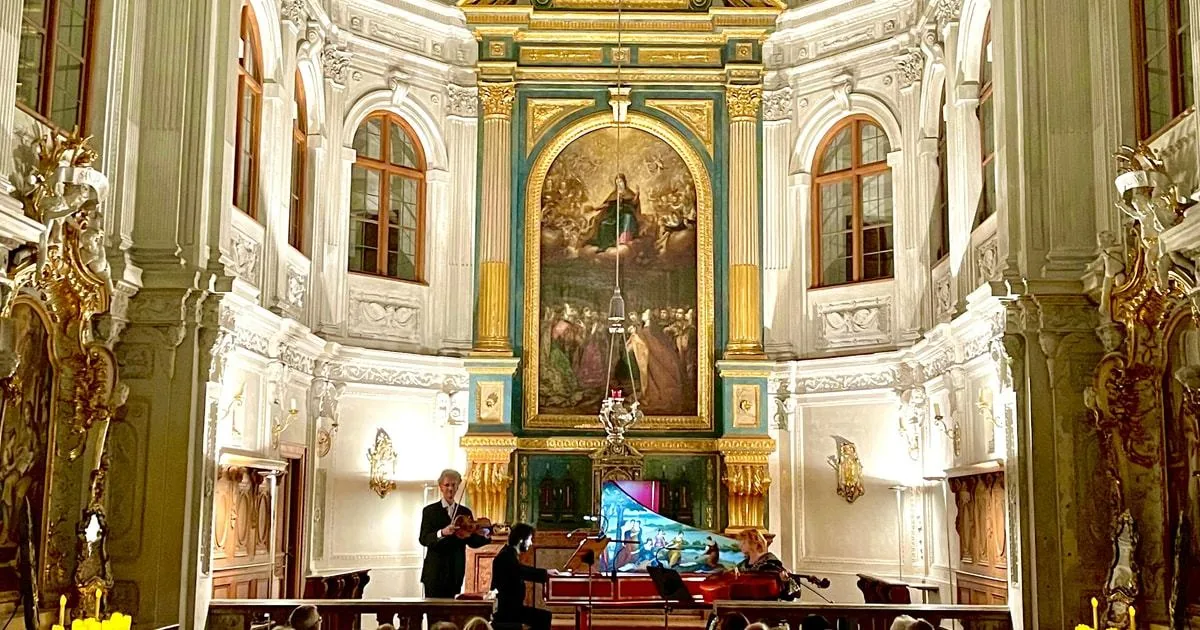 Most-reviewed thing here
Munich: Classical Concert at the Residenz Palace
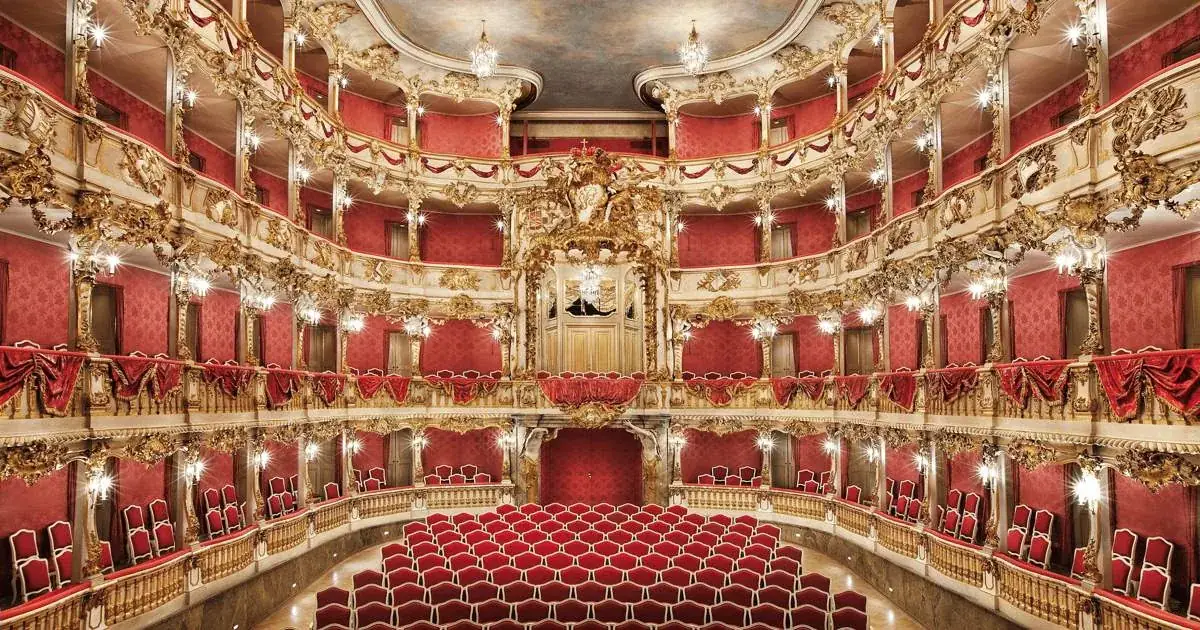 In the rococo theatre
Munich: Gala Concert in the Cuvilliés Theatre
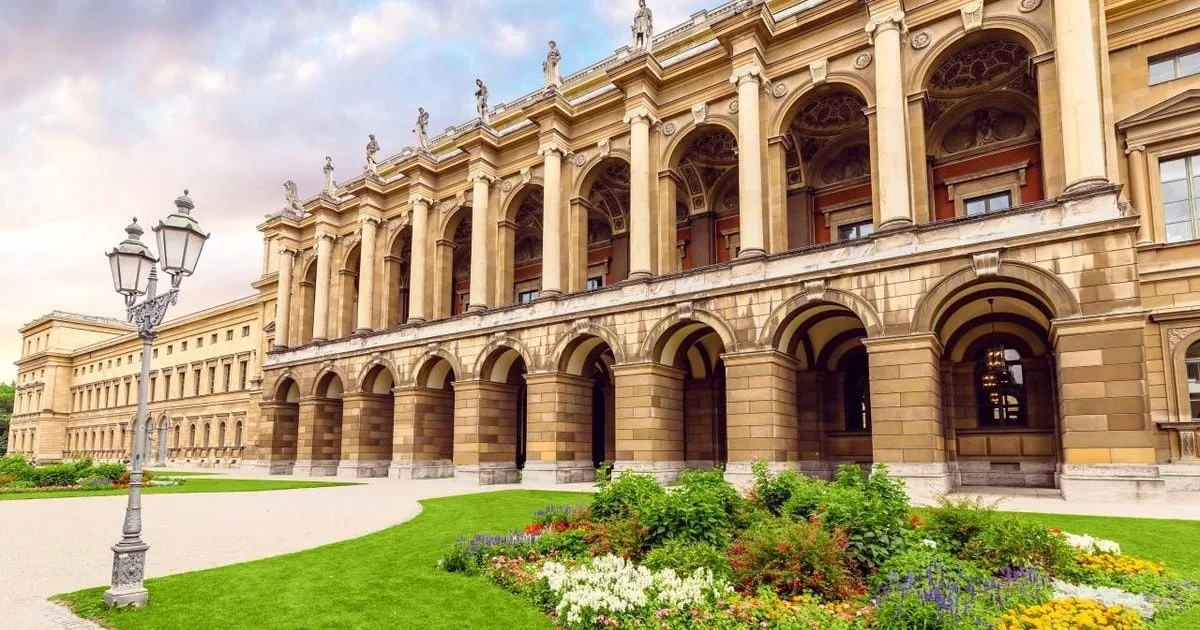 Private, all three parts
Munich: Residenz Palace, Museum and Treasury Private Tour
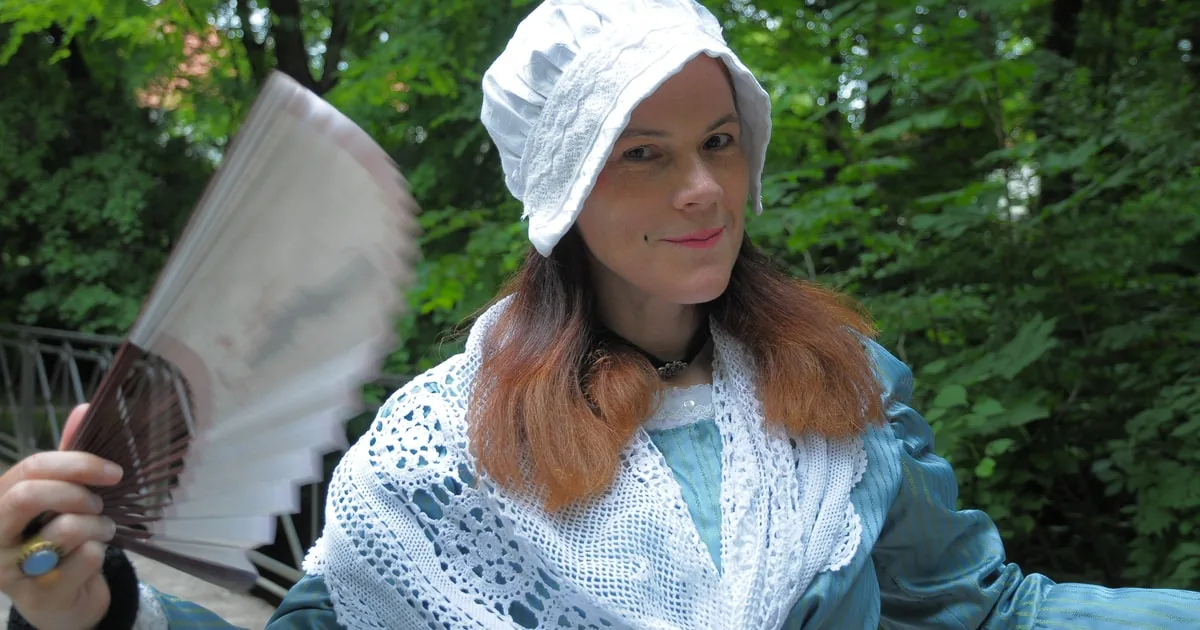 Or the other palace
Munich: Nymphenburg Palace or Residenz Guided Tour
 The one everyone books
From Munich: Neuschwanstein & Linderhof Castle Full-Day Trip
Six reviews that tell you something you can use
Quoted as written and attached to the listing each was left on. One of the sixteen, the Munich Festival in the Residenz, is a newer listing still building its written record.
Great tour. Guide was extremely knowledgeable and explained things as we went through each room. Time for questions as we went along. it was great to be in a small group of five. Highly recommend
It being our first day in Munich, we did have some difficulty finding the entrance to the theater. But once inside, everything went well. The theater is beautiful and comfortable, the music sublime. Who would have believed that an ensemble of two violins, viola, cello, bass, and oboe could pull off Mozart’s Jupiter Symphony? The musicians played with gusto and produced a big sound. The pianist for the Beethoven concerto was terrific. This concert was certainly at a level above the usual classical music event for tourists.
The concert was magnificent; it was the best moment of our trip to Munich, and it was like healing for the soul. I would like to make a small suggestion: please hang an information poster on the door before the concert time and while the door is still closed. Because, first, we came to the address indicated on the ticket, but the door was closed at that time, and there was no announcement indicating that the concert would be there. The people we saw there directed us in another direction. The palace has many doors/sections, and whoever we asked gave us the wrong directions. We walked around the building and finally came to the same spot, and the door was open, and we were able to enter.
Unfortunately, my vouchers didn’t mention that I had to pick up the tickets with the seat numbers at the box office. It caused some irritation!
The concert was fantastic. But they could have put in some warmers, it was very cold.
It was a nice tour! So many rooms — the tour could probably be longer.
Ratings and reviews are the operators’ live GetYourGuide figures. Read our full tour reviews ›
Four questions to settle before you go
Settled here, so they are not being settled at the desk with a queue behind you.
Is it one ticket or three?
Three, and they are sold as three. The Residenzmuseum, the Schatzkammer and the Cuvilliés-Theater each have their own price; there is a pair ticket for the museum and the treasury, and a single ticket that covers all three for about twenty euros. Buying the three singly costs five euros more than the combined ticket, and buying the museum and the treasury singly costs five euros more than the pair. Both sums, written out.
Do I have to book ahead?
The palace asks for no advance reservation, and a group of more than 25 simply divides at the door. What people book ahead is the guided visit — which brings its own skip-the-line tickets — a private guide, or a concert seat, all with free cancellation on most dates. How you actually get in.
Do I need to pay for a guide?
The audio guide is included with the museum and the treasury, in nine languages. What a guide adds is the theatre, which has no commentary, the sequence through three doors and two clocks, and someone to ask — which is what every written review of the guided visit here is about. What each one adds.
Can I see the theatre in the morning?
Only on a Sunday, on a public holiday, or between 1 August and 14 September. For the rest of the year the Cuvilliés-Theater opens at 2 pm from Monday to Saturday, while the museum and the treasury have been open since 9 am or 10 am. The theatre, and the hours it keeps.
Can’t make these dates?
Browse more available Munich Residenz tours and find one that fits your schedule — all with instant confirmation and free cancellation.
The Residenz, explained
Almost everything that goes right at this address goes right for one reason: people arrive knowing they are walking into three ticketed places behind one street number. The Bavarian Palace Administration prices the Residenzmuseum, the Schatzkammer and the Cuvilliés-Theater separately, and publishes a different timetable for the third. Everything below — including why the guided visit is the best-rated way through all three — follows from that.
Three tickets, and the sum that decides which you buy
The museum is about ten euros, the treasury about ten, the theatre about five. There is a pair ticket for the museum and the treasury, and one ticket covering all three for about twenty. Buying the three singly costs five euros more than the combined ticket, and buying museum and treasury singly costs five euros more than the pair; both are subtractions, and both are written out on the tickets page. Everyone under 18 is admitted free, as are students over 18 with a valid card from a general or vocational school. Annual and 14-day passes to more than forty Bavarian sights exist; check their price with the operator.
The handset, and what a guide adds to it
The audio guide is included with the museum and the treasury. The operator’s own page lists nine languages — German, English, French, Italian, Spanish, Russian, Chinese, Japanese and Arabic. It does not run in the Cuvilliés-Theater, which has no commentary at all. So a paid guide here is not buying narration; it is buying the theatre explained, the three doors sequenced, and somebody to ask questions of — which is a different purchase, and the one the reviews of the guided visit praise by name. The City of Munich runs its own regular tours of the Residence in English and German as well.
The two o’clock problem
The Residence Museum and the Treasury keep 9 am to 6 pm every day from 28 March to 19 October, and 10 am to 5 pm every day from 20 October to 27 March, with last entry an hour before the doors shut. The Cuvilliés-Theater does not keep those hours. Monday to Saturday it opens at 2 pm from 28 March to 31 July, from 15 September to 19 October, and through the winter; mornings happen only on Sundays, on public holidays, and daily between 1 August and 14 September. So plan the theatre last, come on a Sunday, or take the guided visit, which is timed around it. Both timetables, side by side. Nothing here shuts on a Monday, though: all three parts open every day of the year except 1 January, Shrove Tuesday, and 24, 25 and 31 December.
What the listings here add to the ticket
Admission is the palace’s own desk transaction, on the day. What the listings on this page add is a person or an orchestra — and the demand for both is measurable: of the 908 written reviews left on the eleven Residenz listings, 658 sit on the five concerts, nearly three quarters. The Saturday programme in the Hofkapelle, the old court chapel, has 389 of them against the flagship guided visit’s 190. A second listing plays the same chapel with an ensemble billed the same way; they are not rivals but two calendars, one running Saturdays through the year and the other covering Advent, Christmas, New Year’s Eve and Good Friday. Each concert is an evening seat in a named hall, so the rooms are a daytime ticket and the music is the evening — the pairing that makes a full Residenz day. Which hall, which calendar, what each one includes.
The rooms that earn the ticket
The Residence Museum has been open to the public since 1920, and its interiors were made between the 16th and the 19th century in Renaissance, Baroque, Rococo, Neoclassicist and Historicist styles. The room worth crossing Munich for is the Antiquarium: 66 metres of barrel vault built for Duke Albrecht V from 1568 to 1571 for his antique sculpture, with 102 views of towns, markets and palaces in the old Duchy of Bavaria painted round its lunettes and window reveals (the Antiquarium). Beyond it come the Ancestral Gallery, the Ornate Rooms and the Nibelungen Halls (what you walk through). The Schatzkammer is a separate visit on the ground floor of the King’s Building: ten rooms, founded on Albrecht V’s will of 1565 and reopened on 21 June 1958 as the first part of the museum restored after the war (the treasury). The Cuvilliés-Theater is short, and it is not the original building — that was destroyed on 18 March 1944. What you sit in are the carved tier fittings, taken to safety in 1943 and reassembled in a new building from 1956 (what survived).
Bags, cameras and the free cloakroom
Nothing from 35 x 30 x 12 cm upwards goes in with you, and neither does a rucksack or anything bulky; the cloakroom is free and supervised. Photography and video for personal use are permitted, without flash or tripod. No reservation is asked for, and a group of more than 25 divides at the door. The door, the bags and the handset.
One morning, in order
Come up at Odeonsplatz or Marienplatz, buy the all-three ticket at the Residenzstraße entrance, take the handset, leave the bag, and give the museum its time before dropping to the treasury. Keep the theatre for the afternoon unless it is a Sunday. Then walk out into the Hofgarten, which has no ticket and where the fountain machinery runs from April to October between 10 am and 2 pm. Still choosing between this palace and the other one? The comparison is here, written from this side.
Frequently asked questions
How many tickets do you need for the Munich Residenz?
Three separate ones, or a combined ticket. The Bavarian Palace Administration prices the Residenzmuseum, the Schatzkammer and the Cuvilliés-Theater individually; there is also a pair ticket for the museum and the treasury, and a single ticket covering all three for about twenty euros. The three singles come to five euros more than the all-three ticket. Nobody under 18 pays, and neither do students over 18 holding a valid card from a general or vocational school. The full tariff, with the arithmetic.
Is the audio guide at the Munich Residenz free?
Yes, and it runs in nine languages: German, English, French, Italian, Spanish, Russian, Chinese, Japanese and Arabic. It covers the Residence Museum and the Treasury. It does not cover the Cuvilliés-Theater, which is the room where a guided visit adds most. What is waiting at the door.
What are the opening hours of the Munich Residenz?
The Residence Museum and the Treasury run 9 am to 6 pm every day between 28 March and 19 October, with last entry at 5 pm, and 10 am to 5 pm every day between 20 October and 27 March, with last entry at 4 pm. The Cuvilliés-Theater keeps its own timetable and opens at 2 pm from Monday to Saturday for most of the year. Both timetables, season by season.
Is the Munich Residenz open on a Monday?
Yes. All three parts open every day of the year except 1 January, Shrove Tuesday, 24 December, 25 December and 31 December — which makes it one of the few large museums in the city that does not shut at the start of the week. Which days everything here is closed.
Which entrance do you use at the Munich Residenz?
The Residence Museum and the Treasury share an entrance on the Residenzstraße and Max-Joseph-Platz side. The Cuvilliés-Theater has its own entrance, and so does the Court Church of All Saints. Reviewers of the evening concerts describe walking the whole block before finding the right door, and one wrote that the street number on its own is not enough for a building this size. Which door, and what you may carry through it.
What can you book ahead for the Munich Residenz?
Admission is sold at the palace’s own desk and through its own shop, with no reservation needed, so the things worth booking ahead are the ones that need a date: the guided visit that covers all three parts with skip-the-line tickets, a private guide, or a concert seat inside the palace. Of the 908 written reviews on the eleven Residenz listings, 658 are on concerts, which is nearly three quarters. All sixteen listings, compared.
What is the Antiquarium?
A barrel-vaulted hall 66 metres long, built for Duke Albrecht V between 1568 and 1571 to hold his collection of antique sculpture and described by the operator as the largest and most lavish Renaissance hall north of the Alps. Wilhelm V and Maximilian I turned it into a hall for festivities between 1581 and 1600. Its lunettes and window reveals carry 102 views of towns, markets and palaces in what was then the Duchy of Bavaria. The Antiquarium.
Is the Cuvilliés Theatre the original building?
No, and the distinction matters. The building that housed the theatre was destroyed on 18 March 1944. The painted wood carvings and the other tier fittings had been removed to safety in 1943 and are all that survives of the original; they were presented to the palace administration in 1956, restored over the following two years and reassembled in a new building inside the Residence complex. Johann Baptist Zimmermann’s ceiling painting is gone. What survived, and what did not.
What is in the Schatzkammer?
Ten rooms on the ground floor of the King’s Building, founded on Duke Albrecht V’s will of 1565, which set the dynastic jewels aside as an unsaleable treasure, and extended in the early 19th century with the insignia of the new Kingdom of Bavaria. The crowns of the Kings and Queens of Bavaria are here, along with a statuette of St George and an altar ciborium. It reopened on 21 June 1958, the first part of the museum back in use after the war. Room by room.
Is the Munich Residenz worth visiting?
It depends on which of the three you mean, which is exactly why this site splits them. The museum is the reason most people come, and the operator calls it one of the most important palace museums in Europe; the treasury is a different visit with a different ticket; the theatre is twenty minutes and a separate door. The city portal puts the building at about 130 rooms and calls it the largest inner-city palace in Germany, which is the city’s claim rather than the operator’s. Who the palace suits best, and how long to allow.
Should I visit the Residenz or Nymphenburg?
Take the Residenz for state rooms, a treasury and a rococo theatre inside the city centre, ten minutes from Marienplatz. Take Nymphenburg for the coach collection and a large park on the western edge of town. There is a listing here that refuses to choose for you at all — it sells either palace and lets you settle it on the day — which is a fair measure of how often this gets asked. Both, compared from this side.
Still have questions? Email us [email protected]